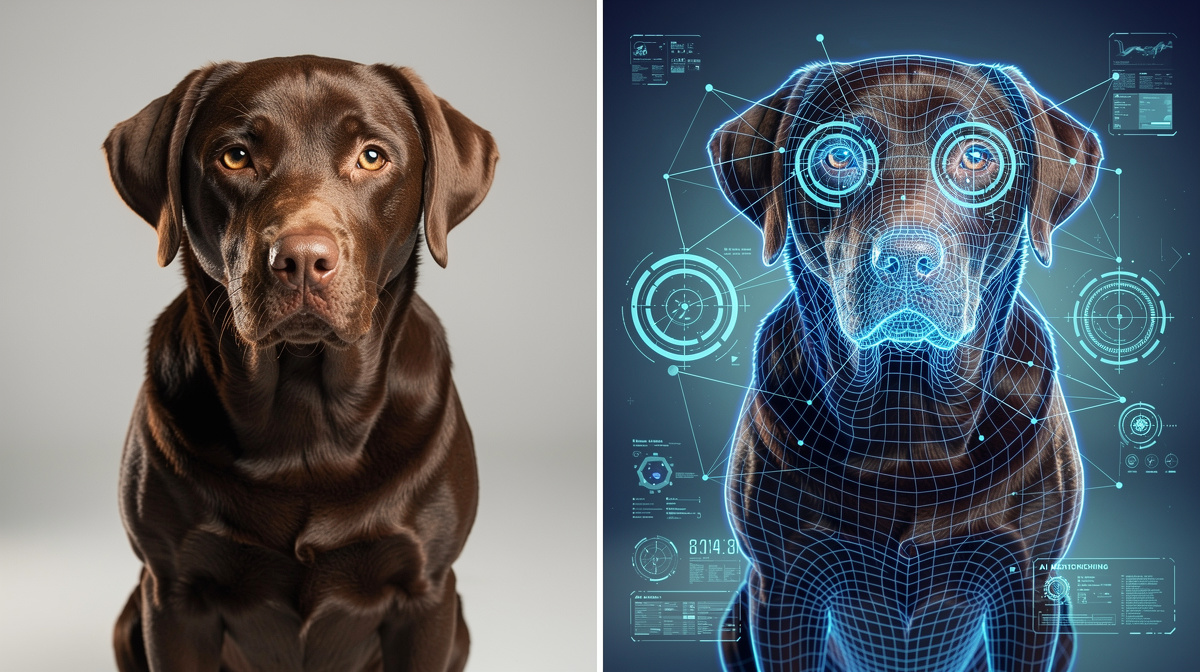
Most websites are built for people. TierFinder is built for people AND for AI agents. Here's why that matters and what it means technically.
What is AI visibility?
Imagine someone asks Claude, ChatGPT or Perplexity: "Is there a platform for lost pets in Germany?" Whether these AI systems know about and recommend TierFinder depends on how visible and usable our platform is for AI agents.
This is called AI visibility or GEO (Generative Engine Optimization). It's the SEO of the AI era.
The TierFinder AI Discovery Stack
From day one, we've built a complete infrastructure so that AI agents can find, understand and use TierFinder:
llms.txt — A machine-readable project description. When an LLM crawls our website, it finds a structured overview at /llms.txt: what TierFinder is, which tools are available, and how to help.
agents.json — The A2A (Agent-to-Agent) discovery standard. Other AI agents can discover via /agents.json that TierFinder exists and what capabilities it has.
MCP Server — The centrepiece. Via the Model Context Protocol, Claude (and any other MCP client) can use TierFinder directly: search for pets, file reports, run matches. No website needed, no API keys, no registration.
robots.txt — We explicitly welcome AI crawlers: GPTBot, ClaudeBot, PerplexityBot. Many websites block them — we invite them in.
JSON-LD Schema — Structured data following schema.org. FAQ schema, Organization schema, WebSite schema with SearchAction. Helps both Google and AI systems understand our content.
Sitemap — All pages including discovery endpoints (llms.txt, agents.json) are listed in the sitemap.
Why this matters for animal welfare
The more AI systems know about TierFinder, the more people we reach. When someone asks Claude "My dog is missing, what should I do?", Claude can not only give tips but directly create a report on TierFinder — in real time, with a photo, with matching.
This isn't a marketing gimmick. It's an infrastructure decision: we want every channel to work — website, Telegram, MCP, and in the future WhatsApp and more.
Open standards, not a walled garden
TierFinder uses open standards: MCP is an open standard by Anthropic. agents.json is an open format. llms.txt is community-driven. We're not building a walled garden but a platform that fits into the growing ecosystem of AI agents.
What this means for the future
Today: A shelter installs Claude Desktop and uses TierFinder via MCP. Tomorrow: Veterinary software with an MCP client automatically queries TierFinder when a found animal without a chip is brought in. The day after: Smart collars with an AI agent automatically report when a dog moves outside its safe radius.
We're building the infrastructure for that today.